
Both systems put glass on the outside of a building, but they get there in different ways, and the difference shapes the look, the schedule and the budget of a facade.
Spider fixture glazing
Glass panels are bolted at their corners to stainless-steel spider fittings, which are fixed back to a supporting structure. With no visible frame around each pane, the facade reads as a smooth sheet of glass. It suits entrances, atriums and shopfronts where transparency is the point. The fixtures have to carry static and dynamic loads, so the quality of the steel and the engineering behind the connection matter.
Stick glazing
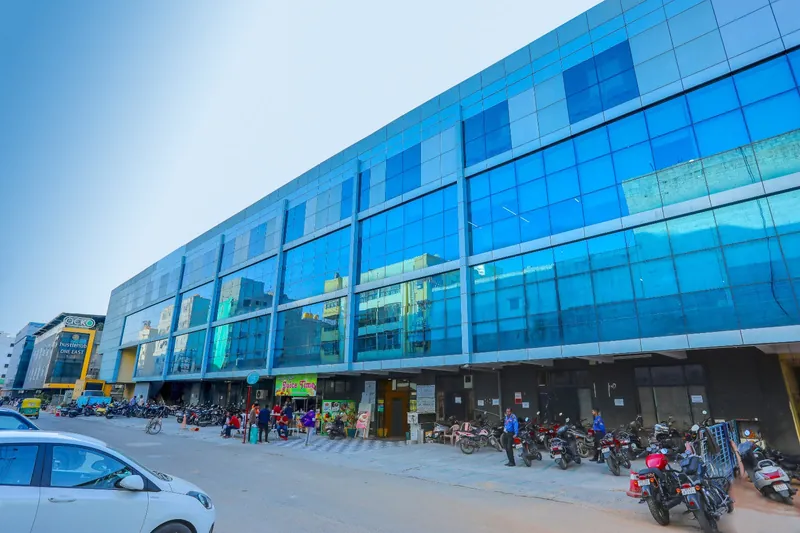
Vertical mullions and horizontal transoms are fixed to the building on site, forming a grid into which glass panels are fitted. Because it is assembled on site, it adapts to different building sizes and configurations, and it is a practical choice for larger elevations and complex geometry.
How to choose
Start with the building. If you want a nearly frameless face on a specific frontage, spider glazing is worth studying. If you need a system that adapts across a large or irregular elevation, stick glazing is usually the more practical route. Either way, the glass specification, sealing and drainage details decide how the facade performs over time.
If you are weighing the two for a project, share the elevation drawings and we will help you compare them.